Event Equipment: Complete Guide to Sound, Lighting, Staging & More
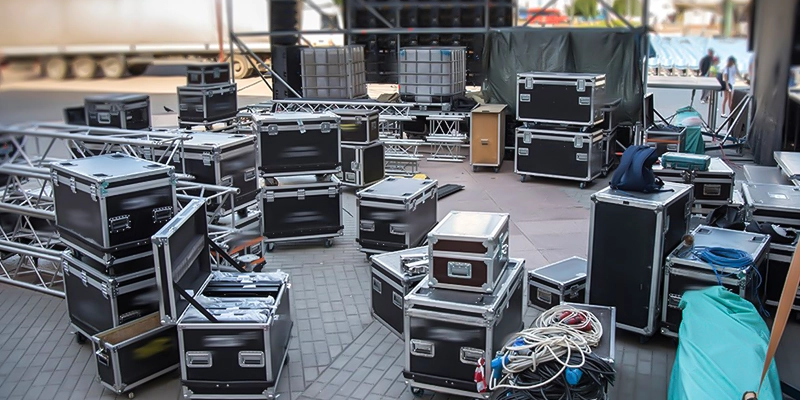
Essential Event Equipment You Need for a Successful Event
If you've ever planned an event, big or small, you know the actual event day is really just the visible tip of everything that went into it. Behind every smooth conference, wedding, or product launch is a long list of equipment that had to be sourced, tested, and set up correctly before a single guest walked in. And when even one piece of that puzzle goes missing, whether it's a mic that cuts out or a screen that won't connect, it's usually the audience that notices first.
This blog breaks down the equipment categories that go into most events, why each one matters, and how to think about what your event actually needs instead of just renting everything on a generic checklist.
Sound Equipment: The Part No One Forgives
Audio problems are, without question, the most noticeable failure at any event. A blurry visual might go unnoticed, but a mic that keeps cutting out mid-speech will frustrate a room within seconds. At minimum, this category includes PA speakers, wireless or handheld microphones, a mixing console to balance different audio sources, and monitor speakers if you have performers or presenters on stage.
If your event includes live music or multiple speakers using instruments and laptops, you'll also need DI boxes and proper cabling to connect everything cleanly. For larger halls or outdoor venues, subwoofers matter more than people expect, since thin, tinny sound tends to lose an audience's attention fast, especially at the back of the room.
Visual and Video Equipment: Setting the Tone
This is where your event starts to actually look like an event. Projectors, LED screens, and video walls fall under this category, along with the cameras and switchers needed if you're recording or live streaming. For corporate conferences and product launches especially, visual equipment isn't just decoration; it's often how the audience follows along with the content being presented.
The size of your venue and the distance between your screen and your farthest seated guest should decide your equipment choice here, not just the budget. A screen that looks clear from the front row can be unreadable from the back, and that's a detail that's easy to miss until it's too late to fix.
Lighting: More Functional Than People Assume
Lighting tends to get filed under "atmosphere," but a good chunk of it is purely functional. Stage lighting makes sure your speakers and performers are actually visible on camera and to the audience. Ambient lighting sets the mood for a wedding or gala. And for anything being recorded or streamed, lighting quality directly affects how usable that footage turns out afterward.
Depending on your event, this could mean anything from simple wash lights to moving heads, LED par lights, and follow spots for performers who move around the stage.
Staging, Furniture, and Structural Elements
This is the category people notice least when it's done right and most when it's missing. Staging, rigging, tables, chairs, backdrops, and tents all fall here, and they're what actually shape how your venue feels and functions. A poorly planned stage height or a seating layout that blocks sightlines can undo a lot of the work that went into the audio and visual setup.
Rigging in particular matters for safety, not just aesthetics. Anything hanging above a crowd, be it lighting trusses, banners, or speakers, needs to be secured properly, which is one of the reasons this equipment is best left to people who handle it regularly.
Power and Cabling: The Category Nobody Talks About Until It Fails
Power distribution, generators, extension cables, and backup batteries rarely make it onto anyone's mental picture of "event equipment," right up until something loses power halfway through. For outdoor events or venues with limited power points, backup generators aren't optional; they're the difference between finishing your event and explaining to guests why the music stopped.
Cabling deserves a mention too. Labelled, properly routed cables aren't just neater; they save serious time if something needs troubleshooting mid-event, especially in low light.
Support Gear and the Small Things That Save the Day
Every experienced event planner has a story about the one small item that saved the entire event: a spare battery, an extra HDMI cable, gaffer tape, a backup mic. These items rarely show up on a first draft of any equipment list, but building in some redundancy for your most critical gear is what keeps a small glitch from turning into a visible one.
How to Actually Decide What You Need
The honest answer is that your equipment list should follow your event, not the other way around. A 50-person corporate meeting and a 500-guest wedding don't need the same setup, even if both technically fall under "events". Start with your venue size, your guest count, and what's actually being presented or performed, and build your equipment list around those three factors before you start comparing rental quotes.
Planning all of this on your own can get overwhelming fast, especially when you're also managing vendors, guests, and everything else that comes with an event. That's where Akroil International steps in. From sound and lighting to staging and full event execution, our team handles the equipment and technical planning so you can focus on the event itself, not the logistics behind it. Get in touch with Akroil Events to plan your next event without any confusion.
